
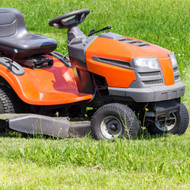
The engine and deck belts in outdoor power equipment are essential for keeping machines in good running condition. A failing belt can lead to anything from poor performance to total failure. But sometimes you won’t know there is a problem because belts are somewhat out of sight and consequently out of mind. That’s why you should do a routine check of your belts. Doing a periodic check will help you identify problems before they become more serious.
Interestingly, any one of your senses may be the one to first detect a problem with a failing engine belt. That’s right. Sight, sound, smell or even touch may be the way an engine belt problem reveals itself. Here’s how your senses can play detective in uncovering a problem with outdoor power equipment belts.
Sight
Look for cracks, splits, tears and other signs of flaws. A combination of usage and harsh environments take their toll on belts over time. You should also look for signs of sagging between pulleys. As belts are used, they often stretch and eventually lose their elasticity. When belts lose tension, they won’t perform as they should.
Sound
If you hear a squealing sound coming from a belt, it’s calling out to you that it needs attention. If a belt is too worn or stretched, it can start squealing as it is slipping due to poor tension. Another cause for belts to slip and produce a squealing sound is fluid leaks. If oil or coolant reaches the belt surface, that can cause a sound. You’ll want to find the source of the leak and possibly also replace the belt. Sometimes the original problem doesn't start with the belt itself but rather the pulley. If the alignment of the pully is off, it can damage the belt and cause noticeable sounds.
Smell
A burning smell coming from the engine compartment should always be inspected. A slipping belt, an overly tight-fitting belt or a seized pulley can all cause a belt to produce a burning smell due to excessive wear or even melting in extreme cases. The bottom line is that odd smells indicate a problem that needs to be checked.
Touch
Sometimes touch is a great way to locate problems hidden from sight. If you can feel cracks, fraying or a smoothly glazed surface, those are warning signs it’s time for a belt replacement. It’s also a way to discover oily residue that can deteriorate the belt. By touch, you can determine if the belt tension is good, or whether stretching has loosened it. It’s also a way to evaluate concerning hardness or brittleness.
Routine Outdoor Power Equipment Engine Belt Inspections Are Advised
Being that belts are generally out of sight, it’s easy to forget about them. That’s why you should set a schedule for periodic inspections. While they are easy to ignore when working fine, you’ll definitely notice when they go bad. It’s best to catch any problems before they become too significant.