
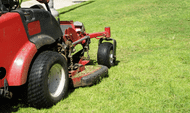
Kawasaki zero-turn mower engines, spanning popular commercial lines such as the FR, FS, and FX series, are renowned for their high torque, smooth v-twin power, and long-term durability. To maintain this high level of operational performance across demanding landscaping schedules, these powerheads rely on precise air intake and fuel delivery systems. However, sourcing the correct replacement filters during routine maintenance can quickly become confusing. Kawasaki utilizes several distinct air filter housing configurations and different fuel filter micron ratings across its engine families. Installing an incorrectly sized air element allows abrasive dust to bypass the seal and enter the engine, while fitting the wrong fuel filter can starve the carburetor or fuel injection system. Learning how to accurately identify, cross-reference, and select the right Stens fuel and air filters for your specific Kawasaki model guarantees optimal engine protection and hassle-free fitment every time.
Decoding Kawasaki Engine Model Numbers and Series Differences
The first step in identifying the correct replacement filters for your zero-turn mower is locating and decoding your engine model specification tag. Kawasaki stamps this information onto a silver or black decal attached to the fan housing, rocker cover, or blower housing.
Understanding the primary Kawasaki engine series helps narrow down your filter needs:
- FR Series engines are residential and light commercial v-twin engines that typically feature flat, panel-style air cleaner assemblies or compact oval dual-element filters.
- FS Series engines are heavy-duty commercial engines that generally utilize larger oval or canister-style dual-element air filtration setups designed for high-dust environments.
- FX Series engines are top-tier commercial engines equipped with heavy-duty dual-stage canister air cleaners featuring internal safety elements and heavy-duty rubber rain caps.
In addition to the series letter, note the exact numerical code following it, such as FR691V or FX730V, as well as the specific revision code listed on the tag. Because Kawasaki occasionally updates intake housing designs mid-production, matching your engine model code and specification number ensures you select a Stens replacement filter engineered for your exact intake footprint.
Selecting the Correct Air Filter Configuration for Your Intake
Air filters are not universal across Kawasaki zero-turn engines. Installing an air filter that is even a fraction of an inch too short or narrow allows dirty air to bypass the filter element completely, leading to immediate dust scoring inside the engine cylinders.
Consider these primary air filter styles and their application features:
- Oval dual-element filters consist of a pleated paper main cartridge wrapped in a removable, washable foam pre-filter. These are common on FR and FS series engines and rely on a center mounting knob or perimeter cover latch to seal flat against the intake base.
- Heavy-duty canister air filters, often referred to as radial-seal filters, feature a cylindrical design that slides inside a heavy-duty plastic canister. These systems are standard on FX series engines and use a rubber end-seal that slides tightly over an internal plastic intake tube.
- Internal safety elements are secondary, slim paper or mesh filters that sit inside primary canister filters on commercial FX engines, providing backup protection if the main outer filter suffers physical damage during operation.
When inspecting a prospective Stens replacement air filter, measure the outer height, outer diameter, and inner mounting hole diameter using a ruler or caliper if you are unsure of your exact part number. Matching these physical dimensions guarantees a tight, dust-proof seal inside your air cleaner housing.
Matching Fuel Filters to Fuel Delivery Systems
Fuel filtration is equally critical for protecting your Kawasaki engine from dirt, rust scale, and moisture contamination. However, selecting a fuel filter requires matching the filter to your engine fuel delivery design, as carbureted engines and electronic fuel-injected engines operate under vastly different fuel pressures.
Observe these key guidelines when choosing a Stens replacement fuel filter:
- Carbureted engines utilizing gravity feed or low-pressure impulse fuel pumps require inline fuel filters with coarse or medium filtration media, typically rated between seventy-five and one hundred fifty microns.
- High-pressure fuel pump systems on carbureted commercial engines use fine inline fuel filters rated between twenty and forty microns to trap microscopic grit before it reaches small carburetor jets.
- Electronic fuel injection systems operate under high fuel pressure and require specialized high-pressure fuel filters designed to withstand elevated line pressure without rupturing the internal media.
- Match the barb nipple size on the fuel filter to your mower fuel hose inner diameter, which is typically one-quarter inch or five-sixteenths inch, to prevent vacuum leaks or fuel weeping.
Installing a fuel filter with a micron rating that is too restrictive on a low-pressure gravity system can cause severe fuel starvation, engine hesitating, and thermal overheating. Conversely, installing a coarse filter on a precision fuel system allows grit to clog delicate carburetor orifices. Choosing the exact Stens fuel filter specified for your engine setup ensures unrestricted fuel flow and complete contamination protection.
Utilizing Stens Cross-Reference Tools and OEM Part Numbers
The simplest way to eliminate guesswork when shopping for replacement filters is cross-referencing original equipment manufacturer part numbers to quality Stens alternatives. Stens replacement parts are engineered to meet or exceed original factory specs, delivering commercial durability and precise fitment at a competitive price.
Follow these practical steps to cross-reference your filters accurately:
- Consult your Kawasaki engine owner manual or parts diagram to locate the original factory part numbers for your air filter, pre-filter, and fuel filter.
- Locate the part numbers printed or stamped directly onto the rubber end caps of your existing air filter or the plastic body of your old fuel filter.
- Search the original part number on the xtremeope.com catalog to find the matching Stens replacement part number.
- Verify that the product description explicitly lists your Kawasaki engine model and series in its fitment compatibility details.
Cross-referencing your numbers before placing an order eliminates fitment errors, ensures smooth installation, and keeps your zero-turn mower operating at peak cutting efficiency throughout the entire season.
Frequently Asked Questions
Can I use an FX series heavy-duty canister air filter on my FR series Kawasaki engine?
No, canister air filters and oval panel filters use completely different intake housing structures. You cannot fit a canister filter onto an engine designed for a flat or oval filter housing unless you replace the entire intake manifold and air cleaner assembly with factory conversion parts.
How do I know if my Kawasaki engine requires a 1/4-inch or 5/16-inch fuel filter?
Check the inner diameter of your rubber fuel hose or measure the outer diameter of the metal fuel line fittings. Most small-block Kawasaki v-twin engines use a 1/4-inch inner diameter fuel line, while larger commercial v-twins often utilize a 5/16-inch fuel line to support higher fuel flow rates.
What is the difference between a primary air filter and a safety air filter element?
The primary air filter is the large outer element that traps the vast majority of airborne dirt and grass dust. The safety element is a smaller filter fitted inside the primary element that stays in place while you service the main filter, preventing loose dirt from falling into the intake throat during filter changes.
Keep Your Kawasaki Engine Protected with Exact-Fit Filters
Properly identifying and replacing the fuel and air filters on your Kawasaki zero-turn engine is the foundation of effective small engine care. By understanding the differences between engine series, verifying physical filter dimensions, matching fuel filter micron specs, and utilizing accurate cross-reference tools, you protect your powerhead from abrasive dust scoring and fuel contamination. Equipping your engine with commercial-grade Stens replacement filters guarantees precise fitment, high air flow, and long-term durability across every mowing shift. To explore a complete inventory of exact-fit engine filters, tune-up kits, and outdoor power equipment replacement parts, visit XtremeOPE.com