
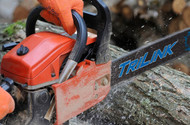
Keeping your chainsaw chain sharp is one of the most important steps in safe, efficient, and long-lasting performance. A dull chain not only reduces cutting power but can also increase the risk of kickback and put extra strain on your saw’s engine and bar.
Learning how to properly sharpen your chain at home saves time and money and prevents unnecessary wear on your equipment. By taking the time to understand sharpening techniques and proper chain maintenance, you’ll also extend the life of your bar and avoid more costly repairs.
Why a Sharp Chain Matters
A sharp chain makes all the difference when it comes to cutting performance and safety. Using a dull chain can be frustrating and dangerous. Beyond simply cutting slower, a dull chain can cause your saw to work harder, increase fuel or battery consumption, and put extra stress on the engine.
Some of the main benefits of maintaining a sharp chain include:
- Faster, cleaner cuts: A sharp chain slices through wood more efficiently, reducing cutting time and effort.
- Reduced strain on the chainsaw motor: Less force is required, which helps extend the life of the saw.
- Lower risk of kickback: Dull chains are more likely to grab, increasing the chance of sudden, uncontrolled movements.
- Longer lifespan for both chain and bar: Proper sharpening reduces uneven wear and protects your investment.
- Improved safety and control: The saw behaves more predictably with a sharp chain, giving the operator more control.
Overall, keeping your chain sharp is one of the most cost-effective ways to maintain a safe and efficient chainsaw.
Recognizing When Your Chain Needs Sharpening
It’s important to know when to sharpen your chain rather than waiting until it becomes dangerous or inefficient. Chains wear gradually, so regular inspection is key. Some common indicators that your chain needs attention include:
- Increased cutting resistance: If you notice you have to push harder to cut through wood, it’s a clear sign the chain is dull.
- Fine sawdust instead of chips: A sharp chain produces coarse wood chips, while a dull chain produces a powdery sawdust.
- Chain pulling to one side: Uneven cutting can indicate uneven teeth or dull sections on the chain.
- Smoke despite lubrication: If smoke appears even when the bar is properly oiled, the chain may be struggling to cut efficiently.
- Visible wear on the teeth: Rounded or chipped cutters are a sign that sharpening is overdue.
By keeping an eye out for these signs, you can avoid the frustration of inefficient cutting and prevent excessive wear on the chainsaw bar.
Choosing the Right Chain Sharpener
Selecting the right sharpening tool is just as important as knowing when to sharpen. There are several types of sharpeners, and the right choice depends on your experience, usage, and the type of chains you operate.
Options include:
- Manual files: These are affordable, portable, and great for occasional maintenance. They allow precise control but require practice for consistent results.
- Electric sharpeners: Ideal for those who sharpen frequently or have multiple chains, electric sharpeners are faster and provide consistent angles.
- Bench-mounted sharpeners: Offer professional-quality results by maintaining accurate angles and depth, especially for high-volume cutting operations.
Xtreme OPE offers high-quality aftermarket chains from trusted brands like TriLink that are compatible with most sharpening tools. These chains are designed to retain their cutter geometry over time, making sharpening more effective and helping reduce the chance of uneven filing or maintenance errors.
Step-by-Step Guide to Sharpening Your Chain
Sharpening a chain properly is essential to ensure smooth cutting and prolong the life of both the chain and the bar. Here’s a step-by-step approach:
- Secure the chainsaw: Place it on a stable surface or use a vise to prevent movement. Safety is critical; the chain must not rotate unexpectedly.
- Clean the chain: Remove debris, oil, and sawdust from all teeth and drive links. A clean chain sharpens more evenly.
- Check cutter angles: Refer to your chain specifications. Most chains require a 25–30 degree top plate angle. Consistency is key to effective cutting.
- Sharpen each tooth: Using your file or sharpener, maintain the correct angle and pressure. Ensure all teeth are sharpened evenly, alternating sides as needed.
- File the depth gauges: Also called rakers, depth gauges control how much wood the chain removes. Check each one and file down if necessary.
- Inspect the chain: Rotate by hand to ensure smooth movement and consistent tooth height. Address any uneven teeth immediately.
Following these steps consistently reduces kickback risk, improves cutting efficiency, and helps the chain last longer.
Additional At-Home Chain Maintenance Tips
Sharpening is just one part of overall chain maintenance. Routine care helps ensure optimal performance and safety.
Tips include:
- Lubricate regularly: Bar and chain oil reduce friction and prevent overheating.
- Clean the guide bar groove: Debris can affect tracking and increase wear.
- Rotate the bar periodically: Even wear on both sides prolongs bar life.
- Avoid dirt or embedded debris: Sand, rocks, or nails can dull teeth quickly.
- Inspect for damage: Cracks, broken teeth, or bent links should be addressed immediately.
Common Mistakes to Avoid
Even experienced operators sometimes make mistakes when sharpening their chainsaw chain at home. Avoid these pitfalls:
- Inconsistent pressure: Uneven pressure can reduce chain lifespan and lead to rough cutting.
- Ignoring depth gauges: Incorrectly filed rakers reduce efficiency and increase the risk of kickback.
- Overheating the chain: Sharpening too quickly can weaken the metal.
- Skipping safety gear: Always use gloves and eye protection to prevent injuries.
Taking your time and following proper technique ensures a longer-lasting, safer chain.
Frequently Asked Questions
How often should I sharpen my chainsaw chain?
Sharpening frequency depends on usage. Heavy cutting may require sharpening every few hours, while occasional homeowners may need sharpening every few months.
Can I use any sharpener with a TriLink chain?
Most standard sharpeners are compatible, but check specifications for chain pitch and cutter size.
What happens if I sharpen unevenly?
Uneven sharpening can cause the chain to pull to one side, produce rough cuts, and increase kickback risk.
Do depth gauges need adjustment every time?
Depth gauges should be checked regularly and filed as needed to maintain optimal cutting depth.
Why Quality Chains Make Maintenance Easier
Using dependable chainsaw components makes routine maintenance simpler and more effective. Xtreme OPE offers a selection of quality chains designed for consistent cutting performance and reliable sharpening results. Options like TriLink aftermarket chains are built with uniform cutter geometry, which helps promote smoother cuts, predictable sharpening, and longer service life.
Choosing well-made chains also helps reduce uneven wear and minimizes the risk of performance issues during demanding cutting tasks.
Keep Your Chainsaw Cutting Smoothly With Xtreme OPE
Regular chain maintenance plays a major role in safe, efficient cutting. Keeping your chain sharp and properly cared for reduces strain on your saw, improves cut quality, and helps extend the life of both the bar and chain.
Xtreme OPE provides trusted chainsaw chains and maintenance accessories, including TriLink aftermarket options, to support dependable performance season after season. By pairing quality components with proper upkeep, operators can maintain smooth operation and reliable cutting results over the long term.
Related Articles
How to Avoid Kickback With a New Chainsaw Chain
How to Tell When It's Time to Replace Your Chainsaw Bar
Top 5 Affordable Replacement Chainsaw Chains Under $30