
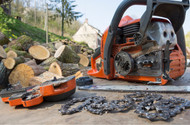
A chainsaw is only as effective as its chain and related components. Over time, even high-quality parts like those from Stens will wear down, reducing cutting performance and increasing the risk of accidents. For homeowners, landscaping professionals, and forestry workers alike, recognizing the signs that your chainsaw chain or associated components need replacement is essential for safety, efficiency, and maintaining clean, precise cuts.
In this guide, we’ll cover the most common warning signs of worn chains, when it’s time to replace related components like sprockets and bars, and best practices for selecting replacements that restore your chainsaw’s performance. By understanding these factors, you can ensure your equipment operates smoothly, safely, and efficiently season after season.
Why Regular Inspection of Your Chainsaw Matters
Chainsaw chains operate under high stress, cutting through wood, brush, and other materials that can vary in density and moisture content. Over time, chains become dull, stretch, or sustain damage from normal use. Likewise, components like the guide bar, drive sprocket, and tensioning mechanisms experience wear. Neglecting these parts can lead to:
- Poor cutting performance
- Uneven or jagged cuts
- Increased risk of kickback
- Strain on the engine or motor
- Shorter overall lifespan of the chainsaw
Regular inspection helps you catch potential issues before they become hazardous. Using high-quality aftermarket chains and components, such as Stens parts available from Xtreme OPE, ensures consistent performance and longevity. A routine maintenance check can identify problems early, allowing you to replace chains or parts without unexpected interruptions.
Signs Your Chainsaw Chain Needs Replacement
Recognizing the warning signs of a worn chainsaw chain can prevent accidents and improve your cutting efficiency. Here are the most common indicators that your Stens chain may need to be replaced:
- Dull or Sluggish Cutting: A sharp chain should cut smoothly and efficiently with minimal pressure. If you notice that you’re forcing the saw to cut or needing multiple passes through the same section of wood, it’s likely time to replace or sharpen the chain.
- Uneven Cuts or Chatter: Rough, jagged cuts or excessive vibration often signal uneven wear or damaged cutters. Chains that have worn unevenly can cause your saw to pull in one direction, making operation more difficult and potentially dangerous.
- Excessive Smoke: When properly sharpened and lubricated, a chain should cut cleanly without generating smoke. If you notice smoke during normal cutting, it could indicate that the chain is dull or improperly tensioned, generating heat from friction.
- Missing or Broken Teeth: Inspect your chain carefully for bent, chipped, or missing teeth. Damaged teeth reduce cutting efficiency, increase strain on the saw, and can be a serious safety hazard if not addressed promptly.
- Chain Stretch: Chains naturally stretch over time. While tensioning systems allow some adjustment, a chain that cannot maintain proper tension even when tightened is likely past its useful life. Running a stretched chain can lead to poor performance, increased wear on the bar, and unsafe cutting conditions.
- Unusual Noise or Vibration: Listen for unusual sounds during operation, such as grinding or rattling. These noises often indicate that the chain or its related components are worn and may require immediate replacement.
Other Components to Inspect Alongside Your Chain
Replacing the chain alone may not restore full performance if other parts of the chainsaw are worn. Always inspect related components during routine maintenance:
- Guide Bar: Examine the bar for grooves, bends, or uneven wear. A damaged bar can reduce chain life, cause uneven cuts, and lead to safety hazards. Ensure the bar rails are smooth and the bar tip is in good condition.
- Drive Sprocket: Worn sprocket teeth can accelerate chain wear and cause the chain to skip or jump during operation. Inspect for signs of wear and replace the sprocket if necessary when installing a new chain.
- Chain Tensioning Mechanism: Make sure the tensioning system works smoothly. A malfunctioning tensioner can prevent proper chain alignment and increase wear or risk of the chain coming off during operation.
- Chain Brake: Test the chain brake for proper function. Worn or sticky brakes can compromise safety, especially during kickback scenarios.
Replacing worn components alongside the chain ensures optimal performance and extends the life of your chainsaw. Ignoring these parts can result in uneven wear, inefficient cutting, and increased risk of accidents.
Benefits of Using High-Quality Aftermarket Chains
Investing in reliable aftermarket chains and components, such as Stens parts offered through Xtreme OPE, provides several important benefits for chainsaw operators:
- Consistent Cutting Performance: Stens chains maintain even cutter geometry, ensuring smooth, predictable cuts. This consistency reduces operator fatigue and improves efficiency.
- Reduced Risk of Kickback: High-quality chains are designed with controlled depth gauges, helping to prevent aggressive grabbing or sudden kickback.
- Durable Construction: Chains made from premium steel resist wear and retain sharpness longer, reducing the frequency of replacements and saving you time.
- Compatibility: Stens chains are engineered to match a wide range of chainsaw models. This ensures seamless installation and reliable operation without compromising performance.
- Better Value Over Time: While aftermarket chains may require a slightly higher upfront investment than generic chains, their durability and performance can make them more cost-effective in the long run.
How to Extend the Life of Your Chainsaw Chain and Components
Even with high-quality chains, proper care and maintenance are essential for safety and longevity:
- Sharpen Regularly: Maintain a consistent sharp edge to reduce strain on the saw and improve cutting efficiency.
- Proper Lubrication: Keep the chain well-oiled to minimize friction and heat buildup. This protects both the chain and guide bar from accelerated wear.
- Correct Tension: Ensure the chain is neither too loose nor too tight. Improper tension can lead to skipping, uneven wear, and potential safety hazards.
- Clean After Each Use: Remove sawdust, sap, and debris from the chain, bar, and sprocket. A clean chain runs cooler and lasts longer.
- Replace Worn Components Promptly: Bars, sprockets, or tensioners that show signs of wear should be replaced alongside the chain to maintain safe and efficient operation.
By combining high-quality components from Xtreme OPE with proper maintenance, you can ensure your chainsaw operates safely and efficiently for years.
Frequently Asked Questions
How often should I replace my chainsaw chain?
It depends on usage and the type of wood being cut. For occasional homeowners, chains may last one to two seasons. Frequent use or cutting hardwoods may require replacement more often.
Can I replace only the chain or should I replace the bar too?
Replacing the chain alone is often sufficient if the bar is in good condition. However, inspect the bar for grooves or uneven wear and replace it if needed to protect the new chain.
Are Stens chains compatible with all chainsaws?
Stens offers a wide range of chains designed to fit popular chainsaw brands and models. Always check the specifications for compatibility before purchasing.
What are the signs of a worn sprocket?
Worn sprockets typically show uneven or pointed teeth, skipping chains, or abnormal wear patterns. Replacing the sprocket when installing a new chain prevents premature wear.
Does proper chain maintenance improve safety?
Absolutely. A sharp, correctly tensioned chain reduces the risk of kickback, provides better control, and minimizes operator fatigue.
Keep Your Chainsaw Performing With Xtreme OPE
Understanding when to replace your chainsaw chain and components is critical for maintaining safety, efficiency, and consistent cutting performance. High-quality Stens chains and components, available from Xtreme OPE, are engineered to meet or exceed OEM standards, offering durable, precise solutions for both homeowners and professionals.
Investing in reliable parts, performing regular inspections, and practicing proper maintenance ensures your chainsaw operates smoothly, safely, and effectively year after year.
Explore Xtreme OPE’s selection of Stens chains, bars, sprockets, and accessories at XtremeOPE.com and keep your chainsaw ready for any cutting task.
Related Articles
How to Replace Your TriLink Chainsaw Chain: Step-by-Step Guide
Stens Chainsaw Bars vs OEM: Which Is the Best Choice for Your Saw?
Essential Maintenance Tips for TriLink Chainsaw Chains