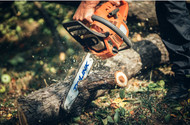
Replacing a worn chainsaw chain is one of the most important maintenance tasks for keeping your saw operating safely and efficiently. Over time, even high-quality chains lose their sharpness, stretch beyond proper tension, or develop wear that affects cutting performance. Knowing how to replace your chainsaw chain correctly helps reduce strain on your saw, improves cutting accuracy, and minimizes safety risks during operation.
TriLink chains are a popular aftermarket option for homeowners and light-to-moderate users because they are designed for reliable performance, easy installation, and compatibility with many common chainsaw models. This guide walks through the step-by-step process of replacing a TriLink chainsaw chain, what to check before installation, and how to ensure your new chain performs properly once installed.
Whether you are replacing a damaged chain or simply performing routine maintenance, following the correct procedure helps protect both your equipment and yourself.
When It’s Time to Replace Your Chainsaw Chain
Before starting the replacement process, it’s important to confirm that a new chain is actually needed. While sharpening can extend a chain’s life, there are times when replacement is the safer and more effective option.
Common signs that it’s time to replace your chainsaw chain include:
- The chain no longer cuts efficiently even after sharpening
- Excessive stretching that prevents proper tension
- Uneven cutter wear or damaged teeth
- Cracks, missing cutters, or visible damage
- Increased vibration or rough cutting during use
If you notice any of these issues, installing a new TriLink chain helps restore proper cutting performance and reduces unnecessary wear on your bar and sprocket.
Choosing the Correct TriLink Replacement Chain
Selecting the correct chain is essential before beginning installation. Chainsaw chains are not universal, and using the wrong size can lead to poor performance or safety concerns.
To choose the correct TriLink chain, you will need to confirm:
- Chain pitch
- Chain gauge
- Number of drive links
- Bar length
This information is typically stamped on the guide bar or listed in your chainsaw’s owner’s manual. Matching these specifications ensures proper fit and smooth operation.
Xtreme OPE offers a selection of TriLink replacement chains designed to fit many common homeowner chainsaws. Choosing the correct specifications helps ensure easy installation and reliable performance once installed.
Preparing for Chain Replacement
Proper preparation makes the chain replacement process safer and more efficient. Before removing the old chain, take a few minutes to set up your workspace and inspect key components.
Start by placing the chainsaw on a stable, flat surface and engaging the chain brake to prevent movement. For safety, disconnect the spark plug wire on gas-powered saws or remove the battery on electric models.
To prepare your saw and workspace:
- Secure the chainsaw on a flat, stable surface
- Engage the chain brake to prevent movement
- Disconnect the spark plug or remove the battery
- Put on protective gloves before handling the chain
Before installing a new chain, inspect the guide bar closely. Look for uneven wear, burrs along the bar rails, or debris packed into the bar groove. Cleaning the bar and groove helps ensure smooth chain movement and even cutting once the new chain is installed.
Removing the Old Chainsaw Chain
With the saw powered off and secured, you can begin removing the old chain.
Start by loosening the bar nuts that hold the clutch cover in place, but do not remove them completely yet. Next, locate the chain tensioning screw and turn it counterclockwise to release tension on the chain.
Follow these steps to remove the chain safely:
- Loosen the bar nuts slightly
- Turn the tensioning screw counterclockwise to release tension
- Remove the bar nuts and clutch cover
- Lift the chain off the guide bar and drive sprocket
As you remove the chain, take note of how it sits on the bar and sprocket. Paying attention to the chain’s orientation will make installing the new TriLink chain easier and help avoid installation errors.
Installing the New TriLink Chainsaw Chain
Once the old chain is removed and the guide bar has been inspected, you’re ready to install the new TriLink chain.
Begin by looping the chain around the drive sprocket, making sure the drive links seat properly. Lay the chain along the guide bar, ensuring the cutting teeth face forward along the top of the bar. Proper orientation is essential for effective cutting.
To install the new chain correctly:
- Position the chain around the drive sprocket
- Seat the chain along the guide bar with cutters facing forward
- Reinstall the clutch cover and loosely thread the bar nuts by hand
At this stage, the chain should move freely along the bar. Begin adjusting tension by turning the tensioning screw until the chain fits snugly against the bar without sagging. While wearing gloves, confirm the chain still moves smoothly by hand.
Once proper tension is set, hold the bar nose slightly upward and fully tighten the bar nuts. This helps maintain correct tension during operation.
Checking Chain Tension and Alignment
Correct chain tension is critical for both safety and performance. A chain that is too loose can derail, while a chain that is too tight can cause excessive wear and reduce cutting efficiency.
After tightening the bar nuts, perform a final inspection:
- Confirm the chain sits firmly against the bar
- Ensure the drive links stay engaged in the bar groove
- Rotate the chain by hand to check for smooth, even movement
The chain should move freely without binding while remaining securely seated on the guide bar.
Initial Break-In and Test Run
New chains require a short break-in period to seat properly. Before starting the saw, recheck chain tension one last time.
Start the chainsaw and let it run briefly at low speed. Lightly engage the throttle to allow oil to distribute evenly along the chain and bar. After shutting the saw off and allowing it to cool, recheck the chain tension.
New chains may stretch slightly during initial use, so minor adjustments after the first few cuts are normal and help ensure long-term performance.
Maintaining Your TriLink Chain After Replacement
Once installed, proper maintenance helps extend the life of your TriLink chain and keeps cutting performance consistent.
Key maintenance practices include:
- Keeping the chain properly tensioned
- Maintaining sharp cutters through regular sharpening
- Ensuring adequate bar and chain lubrication
- Cleaning debris from the bar groove and sprocket area
- Storing the saw in a dry environment
Using quality aftermarket chains from Xtreme OPE helps simplify maintenance and ensures dependable performance during routine cutting tasks.
Frequently Asked Questions
How long does it take to replace a chainsaw chain?
For most users, replacing a chainsaw chain takes about 10 to 15 minutes once familiar with the process.
Do TriLink chains require special tools for installation?
No. Standard hand tools are typically all that is needed to replace a TriLink chainsaw chain.
How tight should my new chainsaw chain be?
The chain should fit snugly against the bar without sagging, while still moving freely by hand.
Can I install a new chain on a worn bar?
While possible, installing a new chain on a heavily worn bar may reduce performance and cause uneven wear. Inspect the bar before installation.
How often should I check chain tension after replacement?
Check chain tension before each use and again after the first few cuts, as new chains may stretch slightly during break-in.
Replace Your Chainsaw Chain With Confidence
Replacing your TriLink chainsaw chain is a straightforward maintenance task that helps improve cutting performance, safety, and overall efficiency. By following proper installation steps and maintaining correct tension, your chainsaw will operate more smoothly and reliably throughout the cutting season.
Xtreme OPE offers dependable replacement chains and chainsaw accessories, including TriLink aftermarket chains designed to fit many popular saw models. When it’s time to replace your chainsaw chain, explore the available options at XtremeOPE.com to find the right fit for your equipment and keep your saw performing at its best.
Related Articles
Stens Chainsaw Bars vs OEM: Which Is the Best Choice for Your Saw?
Essential Maintenance Tips for TriLink Chainsaw Chains
Signs It’s Time to Replace Your Stens Chainsaw Chain and Components